
Introduction
Fixed deposits continue to be a preferred choice for individuals who want stable returns without exposure to market volatility. While many people follow common methods of investing in fixed deposits, there are several lesser known approaches that can improve returns and flexibility without increasing risk. Understanding these methods can help investors make better use of their savings and create a more structured financial plan.
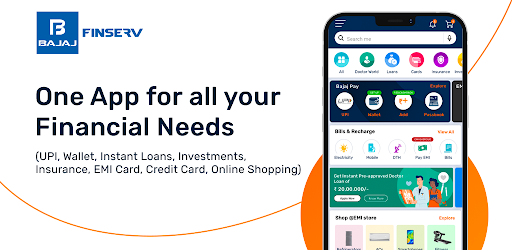
In today’s financial environment, people often rely on tools like an instant loan app for quick liquidity or explore options such as a doctor loan for specialized financial needs. However, combining such financial tools with disciplined fixed deposit strategies can lead to stronger savings growth and better cash flow management. This article explores practical and unique approaches that go beyond basic fixed deposit usage.
Understanding the Basics of Fixed Deposits
Before exploring advanced approaches, it is important to understand how fixed deposits function. A fixed deposit allows you to invest a lump sum for a fixed tenure at a predetermined interest rate. The returns are stable, and the risk is minimal compared to other investment options.
Key features include:
Guaranteed Returns
Interest rates are fixed at the time of investment, ensuring predictable earnings.
Flexible Tenure
Tenure options usually range from a few days to several years.
Low Risk
Fixed deposits are not affected by market fluctuations, making them suitable for conservative investors.
Laddering Strategy for Better Liquidity
One of the lesser known but effective approaches is the laddering strategy. Instead of investing the entire amount in a single fixed deposit, the investment is divided into multiple deposits with different maturity periods.
How It Works
You can split your investment into portions and allocate them across different tenures such as one year, two years, and three years.
Benefits
- Regular access to funds at different intervals
- Ability to reinvest at potentially higher rates
- Reduced impact of interest rate fluctuations
This method ensures that you are not locked into a single rate for a long period and can adapt to changing financial conditions.
Reinvestment Planning for Compounding Growth
Another approach is systematic reinvestment. Instead of withdrawing maturity amounts, reinvesting both principal and interest can significantly increase long-term returns.
Why It Matters
Compounding helps your savings grow faster over time without additional contributions.
Practical Tip
Align your reinvestment cycle with your financial goals, such as education, home purchase, or retirement planning.
Using Short-Term FDs for Emergency Planning
Many investors overlook the importance of short-term fixed deposits for emergency funds. Instead of keeping idle money in a savings account, short-term deposits can offer better returns while maintaining liquidity.
Key Advantages
- Higher interest compared to savings accounts
- Quick access to funds when needed
- Better financial discipline
This approach works well alongside financial tools like an instant loan app, ensuring that you have both savings and backup options for unexpected situations.
Tax-Efficient FD Allocation
Tax planning is often ignored when investing in fixed deposits. Interest earned is taxable, which can reduce overall returns.
Smart Allocation Techniques
- Distribute deposits across family members in lower tax brackets
- Choose tenure based on income planning
- Combine fixed deposits with other tax-efficient instruments
Outcome
Proper planning can help you retain more of your earnings and improve overall returns.
Step-Up FD Strategy for Increasing Income
A step-up approach involves gradually increasing your fixed deposit investment over time. Instead of investing a large amount at once, you invest smaller amounts periodically.
Why This Works
- Helps manage cash flow effectively
- Reduces financial burden
- Encourages consistent saving habits
This method is especially useful for salaried individuals who want to build savings gradually.
Combining FDs with Goal-Based Planning
Fixed deposits become more effective when aligned with specific financial goals.
Examples of Goal-Based Usage
- Education funding
- Medical expenses
- Travel planning
- Retirement savings
Structured Planning
Assign each fixed deposit to a particular goal and choose tenure accordingly. This ensures clarity and prevents unnecessary withdrawals.
Auto-Renewal with Periodic Review
Auto-renewal is a common feature, but it is often used without proper evaluation.
Better Approach
Instead of blindly renewing, review interest rates and financial needs before opting for renewal.
Benefits
- Opportunity to switch to better rates
- Flexibility to reallocate funds
- Improved financial control
Balancing FDs with Credit Options
Modern financial planning involves balancing savings with credit accessibility. While fixed deposits provide stability, credit tools can handle immediate financial needs.
Practical Combination
- Use fixed deposits for long-term security
- Use an instant loan app for short-term liquidity
- Consider specialized options like a doctor loan for professional needs
This balanced approach ensures that your savings remain intact while your urgent requirements are met efficiently.
Avoiding Common FD Mistakes
Even with the best strategies, certain mistakes can reduce effectiveness.
Common Issues
- Investing all funds in one tenure
- Ignoring inflation impact
- Not reviewing interest rates
- Premature withdrawals
Solution
Regular monitoring and diversification can help avoid these pitfalls and improve returns.
Inflation Awareness and Real Returns
While fixed deposits offer stable returns, inflation can reduce the actual value of earnings.
What You Should Do
- Compare interest rates with inflation rates
- Use laddering and reinvestment strategies
- Combine FDs with other savings options if needed
This ensures that your savings retain their purchasing power over time.
Conclusion
Fixed deposits remain a reliable savings tool, but using them effectively requires more than just basic investment. Lesser known approaches such as laddering, reinvestment, short-term allocation, and goal-based planning can significantly improve outcomes without increasing risk.
Incorporating modern financial tools like an instant loan app alongside traditional savings methods allows better management of both liquidity and long-term growth. Similarly, understanding specialized options such as a doctor loan can help individuals address specific financial requirements without disturbing their core investments.
By applying these structured and thoughtful approaches, investors can achieve secure savings growth while maintaining flexibility and control over their financial future.